July 22, 2026
Planning a new roof is a home improvement decision that affects protection, energy efficiency, appearance, and property value. Careful preparation can prevent costly surprises when shingles are damaged or leaks appear. Before scheduling local roof installation, it helps to understand the current roof, material options, expenses, contractor expectations, and possible disruptions.
A successful project begins with realistic goals and clear communication. Homeowners should know what they want to improve, which concerns need immediate attention, and how the work fits within their budget. Learning about the process before signing helps them make informed choices.
Evaluating the Existing Roof
The first step is determining whether the roof needs repairs or complete replacement. Missing shingles, recurring leaks, sagging areas, granule loss, damaged flashing, and visible deterioration may indicate that the roofing system is nearing the end of its useful life. Surface damage does not always require complete replacement. A professional inspection can identify the extent of the problem and recommend a solution.
Homeowners should also consider the age of the roof and its maintenance history. According to Home Advisor, an asphalt roof can last 20 to 30 years when it is properly maintained. Roofs exposed to severe storms, poor ventilation, or long-term moisture may wear out sooner.
Before planning local roof installation, homeowners should gather records about previous repairs, warranties, and installation dates. This information helps contractors provide more accurate recommendations.
An inspection should include more than visible shingles. Contractors may examine decking, underlayment, flashing, vents, gutters, chimneys, and areas where water could enter. Hidden damage can affect the scope of work, so homeowners should ask what happens if deteriorated decking or structural concerns are discovered after removal begins.
Establishing a Realistic Budget
Roofing costs depend on roof size, slope, material selection, labor, disposal fees, permits, and necessary repairs. Homeowners should prepare for the possibility that the final cost may exceed the initial estimate if concealed damage is found. Setting aside a contingency amount can make unexpected expenses easier to manage.
When comparing proposals for local roof installation, homeowners should review what each estimate includes rather than focusing only on price. One contractor may include tear-off, disposal, flashing replacement, ventilation improvements, and cleanup, while another may list those services separately. Detailed estimates make it easier to compare similar scopes of work and identify missing charges.
Financing may be available through contractors, banks, credit unions, or home improvement lenders. Homeowners should review interest rates, repayment terms, fees, and early payment policies. Insurance may cover roof damage caused by certain events, but it generally does not pay for normal wear or age-related deterioration. Homeowners should contact their insurer before work begins when storm damage may be involved.
Selecting Appropriate Roofing Materials
Material selection influences durability, appearance, maintenance needs, and cost. Asphalt shingles remain common because they are available in many styles and offer a practical balance of affordability and performance. Metal, slate, tile, wood, and synthetic products may provide different benefits, but they also have specific structural and maintenance requirements.
Climate should influence material choices for local roof installation. Products must be suited to regional conditions such as heavy rain, snow, high winds, heat, humidity, or rapid temperature changes. Homeowners should ask which materials perform well in the area and whether certain products offer enhanced wind, impact, or fire ratings.
Color and design matter as well. The roof should complement the home's siding, trim, masonry, and architectural style. Some neighborhoods or homeowners associations restrict acceptable materials or colors, so owners should confirm any rules before ordering. They should also review manufacturer warranties, including coverage periods, exclusions, transferability, and registration requirements.
Reviewing Contractor Qualifications
Choosing a contractor is one of the most important parts of preparing for local roof installation. Homeowners should verify licensing requirements, insurance coverage, business history, and relevant experience. General liability insurance and workers' compensation coverage help protect the property owner and workers if an accident or damage occurs.
References and recent project examples can provide insight into workmanship and communication. Homeowners should ask previous customers whether the contractor stayed on schedule, protected the property, handled changes clearly, and completed cleanup properly. Online reviews may reveal patterns, but they should be considered alongside direct conversations and documented qualifications.
Every agreement should be in writing. The contract should identify materials, colors, quantities, payment terms, start and completion expectations, warranties, cleanup responsibilities, and procedures for approving changes. Homeowners should avoid vague proposals that do not describe the full scope of work. They should also understand whether subcontractors will be used and who will supervise the job.
Preparing the Property for Work
Roof replacement can create noise, vibration, dust, and temporary limitations around the home. Before local roof installation begins, homeowners should remove fragile items from walls and shelves, especially on upper floors. Vibrations from tools and foot traffic may cause unsecured decorations to shift or fall.
Outside, vehicles should be moved away from the work area so contractors can access the driveway and protect them from debris. Patio furniture, grills, toys, planters, and decorations should be relocated. Homeowners may also cover attic items because particles can fall through gaps in the roof decking during removal.
Children and pets should remain away from active work zones. Nails, tools, ladders, and discarded materials can create hazards even when crews follow safety procedures. Homeowners should discuss access points, landscaping protection, dumpster placement, and daily cleanup with the contractor. Neighbors may appreciate advance notice about noise, deliveries, and temporary parking changes.
Understanding the Installation Process
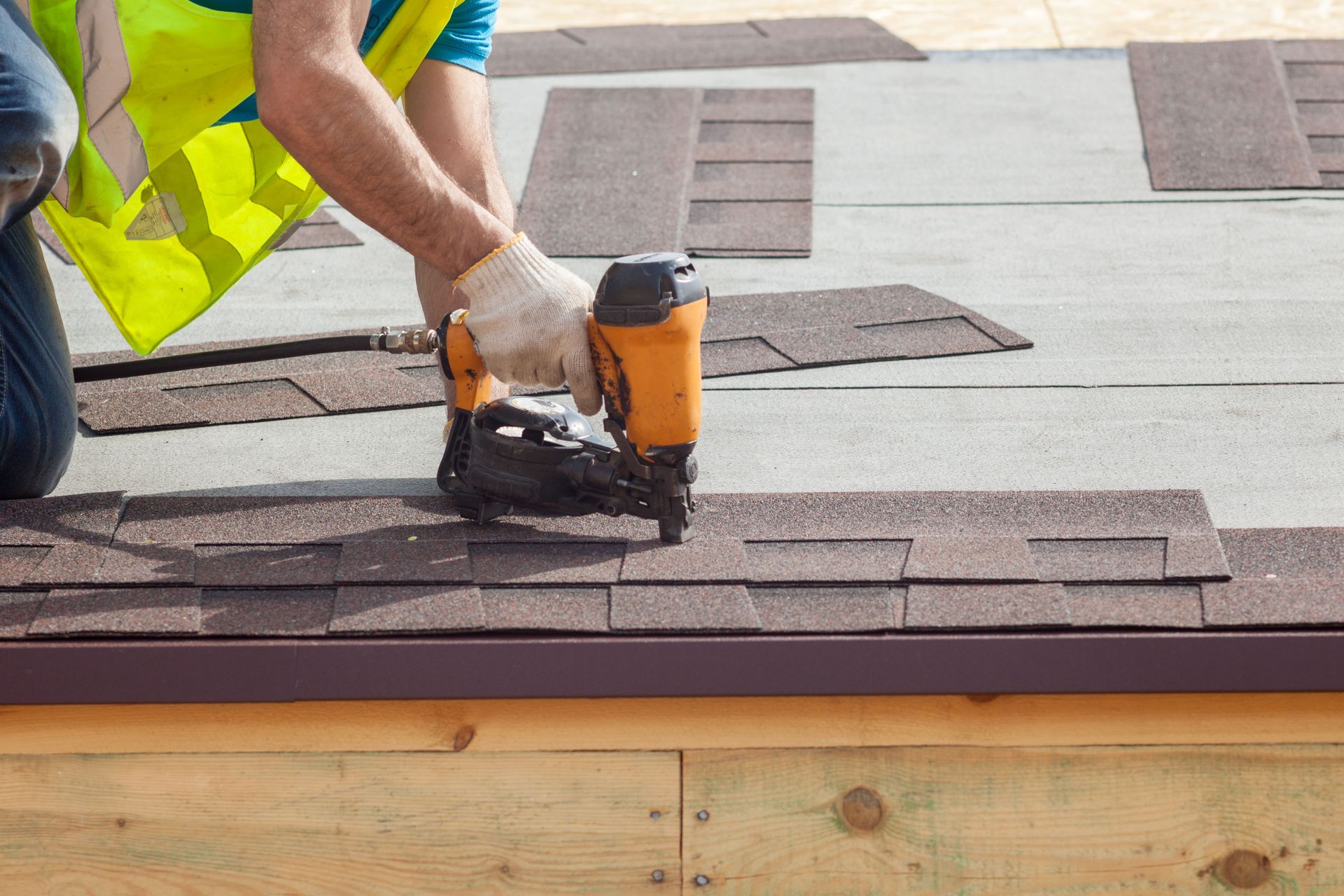
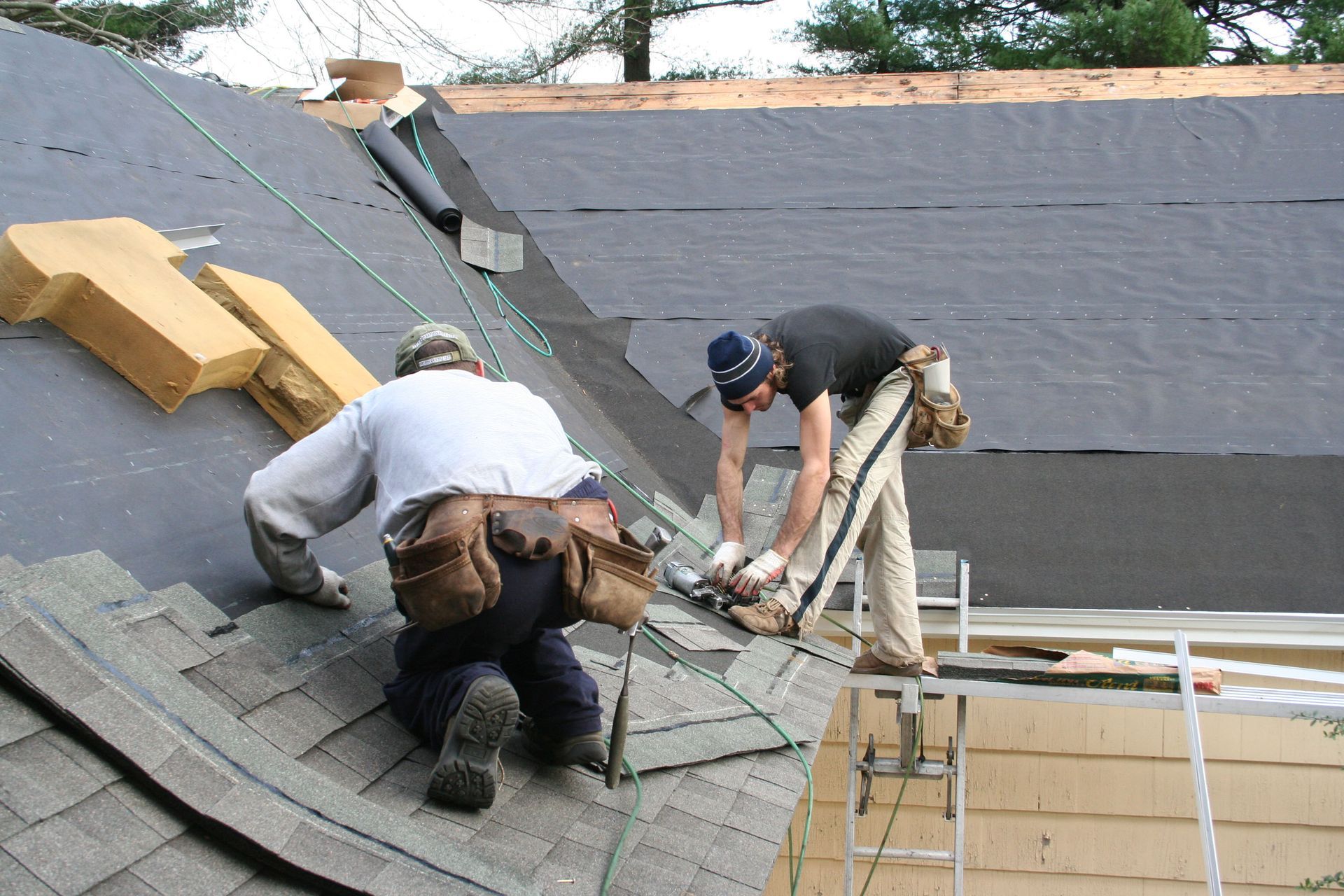
Knowing what happens during local roof installation can reduce uncertainty. Most projects begin with material delivery and protection of landscaping, siding, windows, and outdoor features. The crew then removes existing materials, inspects the deck, completes approved repairs, installs underlayment and flashing, and applies the new roofing system.
Weather can affect the schedule. Rain, high winds, extreme temperatures, and unexpected storms may delay work because materials must be installed under appropriate conditions. Homeowners should ask how the contractor protects exposed areas if the weather changes after removal begins. They should also understand how schedule updates will be communicated.
Quality control should continue throughout the project. Proper ventilation, flashing details, fastening patterns, and manufacturer requirements influence long-term performance. Homeowners do not need to supervise every step, but they should know who to contact with questions and how concerns will be addressed. A final walkthrough can confirm that work is complete, debris has been removed, gutters are clear, and magnetic nail collection has been performed.
Planning for Long-Term Roof Care
The responsibilities associated with a new roof continue after installation. Homeowners should keep copies of the contract, material receipts, warranty documents, inspection reports, and photographs. Manufacturer warranties may require product registration, while workmanship warranties may have separate terms.
Routine maintenance helps protect the investment in local roof installation. Gutters should be kept clear, overhanging branches should be trimmed, and the roof should be checked after severe weather. Moss, algae, damaged sealants, loose flashing, and minor leaks should be addressed promptly before they lead to larger problems.
Homeowners should also schedule professional inspections when appropriate, especially after major storms or when the roof begins showing signs of wear. Regular attention can help preserve performance, support warranty compliance, and extend the useful life of the system.
With careful planning, qualified installation, and ongoing maintenance, a new roof can provide reliable protection for many years. Call Shingle Pro Roofing and Contracting, Inc. today to schedule your roofing service.