May 15, 2026
Your home is more than just a shelter; it is a significant investment that requires careful management and high-quality materials to maintain its value. In the diverse climates of Florida, from the humid coastal reaches of Pinellas County to the rolling hills of Citrus County, the choices we make regarding our roofs determine the longevity and safety of our properties. Selecting the right components for a home is a complex task that balances aesthetics, cost, and structural integrity. Among the many options available to homeowners, one specific material has consistently risen to the top, becoming the standard for neighborhoods across the region.
Analyze Historical Shifts in Building Standards
The history of residential construction is marked by a constant search for materials that provide both reliability and ease of use. In past centuries, local availability dictated what was used, leading to a heavy reliance on wood, stone, or clay, depending on the geographical location. However, as the industrial age progressed, the need for standardized, mass-produced solutions became apparent to meet the demands of a growing population. We have seen how technological evolution allowed for the creation of composite materials that could be manufactured quickly and shipped long distances. This shift moved the industry away from labor-intensive masonry toward versatile products that any residential roofing contractor could install with precision and speed.
Modern building standards have further refined these requirements, focusing on how materials interact with the environment over several decades. The transition to modern standards was not merely about cost, but also about creating a predictable result for the homeowner. By moving toward a dominant material, the industry established a baseline of quality that ensures consistency across different neighborhoods. We observe that this historical progression has created a market where the most common materials are those that have survived rigorous testing and decades of real-world application.
Compare Modern Shingles With Alternative Options
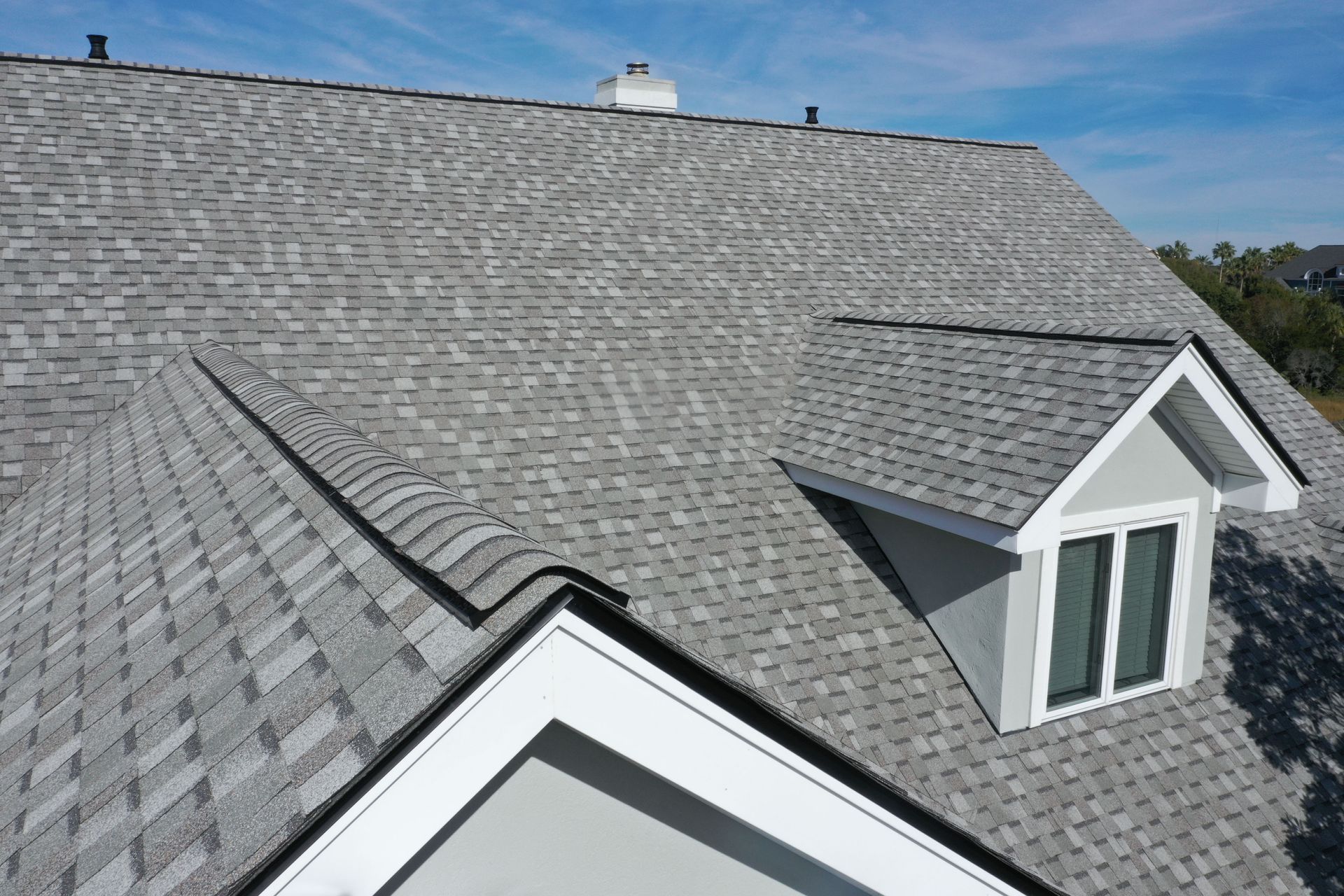
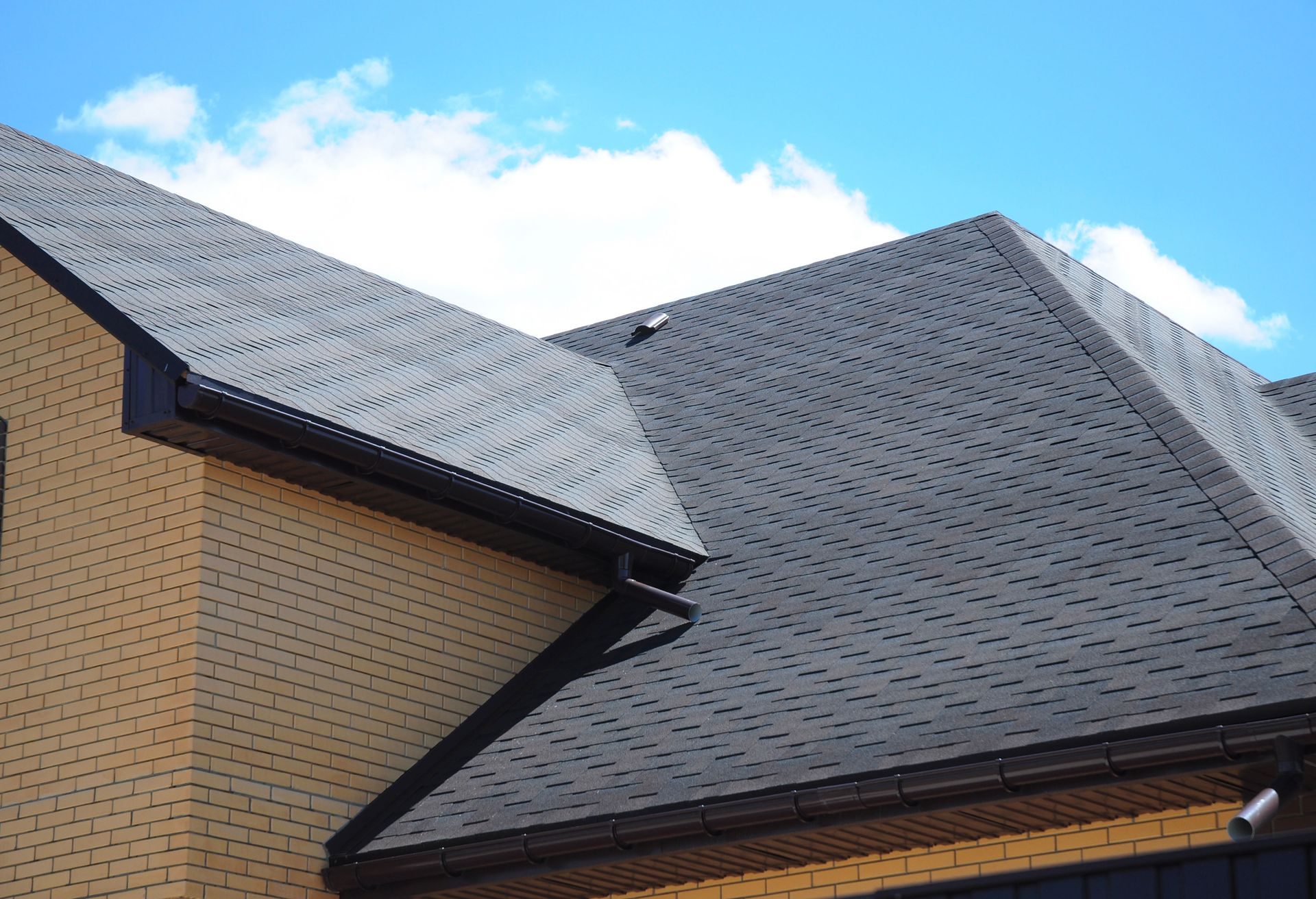
When evaluating what goes on top of a home, we must perform a comparative analysis between the dominant choice and alternative materials like metal, clay tile, or slate. While slate and clay offer a distinct aesthetic and incredible longevity, their weight often requires additional structural reinforcement, which significantly increases the total project cost. Metal roofing has gained some ground due to its durability, yet it remains a more expensive upfront investment that may not fit every homeowner's budget. In contrast, asphalt shingles offer a balanced profile of affordability, ease of repair, and aesthetic flexibility. This balance is a primary reason why a residential roofing contractor will often recommend them as the most practical solution for the average household.
Sustainability has also entered the conversation, with many homeowners looking for eco-friendly alternatives. Some modern materials incorporate recycled content or are designed to reflect solar heat, reducing cooling costs in the intense Florida sun. While specialized green roofs or solar tiles are available, they often remain niche products due to their high complexity and maintenance requirements. Asphalt shingles have adapted to these trends by incorporating cooling granules and improved recycling programs, allowing them to remain competitive. According to RubyHome, asphalt shingles are the most common roofing material, used in roughly 80% of roofing projects.
Evaluate the Impact of Regional Regulations
Building codes and local regulations play a massive role in determining which materials become the neighborhood standard. In areas like Pasco and Hernando Counties, roofs must be able to withstand specific wind speeds and weather patterns unique to the Gulf Coast. These regulations ensure that every structure meets a minimum safety threshold to protect inhabitants during storm events. Materials that have already been tested and certified to meet these stringent codes become the default choice for builders and homeowners alike.
Because certain materials have a long track record of passing these regulatory hurdles, they are more easily approved by local building departments. This ease of approval speeds up the construction process and reduces the likelihood of costly delays or re-inspections. When a residential roofing contractor works with a standardized material, they are utilizing a system that has been vetted by engineers and safety officials specifically for the local climate. This regulatory environment creates a feedback loop where the most compliant materials become the most popular, further solidifying their dominance in the market. Consequently, the materials we see most often are those that provide the highest level of documented safety and performance.
Assess Economic Advantages and Production Scale
The economic benefits of a dominant material are driven largely by the sheer scale of its production and distribution. Because asphalt shingles are manufactured in such high volumes, the cost per unit is kept remarkably low compared to handcrafted or specialized materials. This affordability allows homeowners to allocate their budget to other essential home
improvements while still receiving a high-quality, protective layer for their property. We see this economic efficiency reflected in the widespread availability of these products at local suppliers across Hillsborough and Pinellas Counties. A residential roofing contractor can source these materials quickly, ensuring that projects stay on schedule and within budget. Beyond the initial purchase price, the scalability of the material impacts the long-term cost of ownership. Repairs and maintenance are more affordable because replacement parts are readily available, and the labor required is standardized. When a material is used in 80% of projects, the market for those products is highly competitive, which keeps prices stable for the consumer.
Identify the Role of Professional Expertise
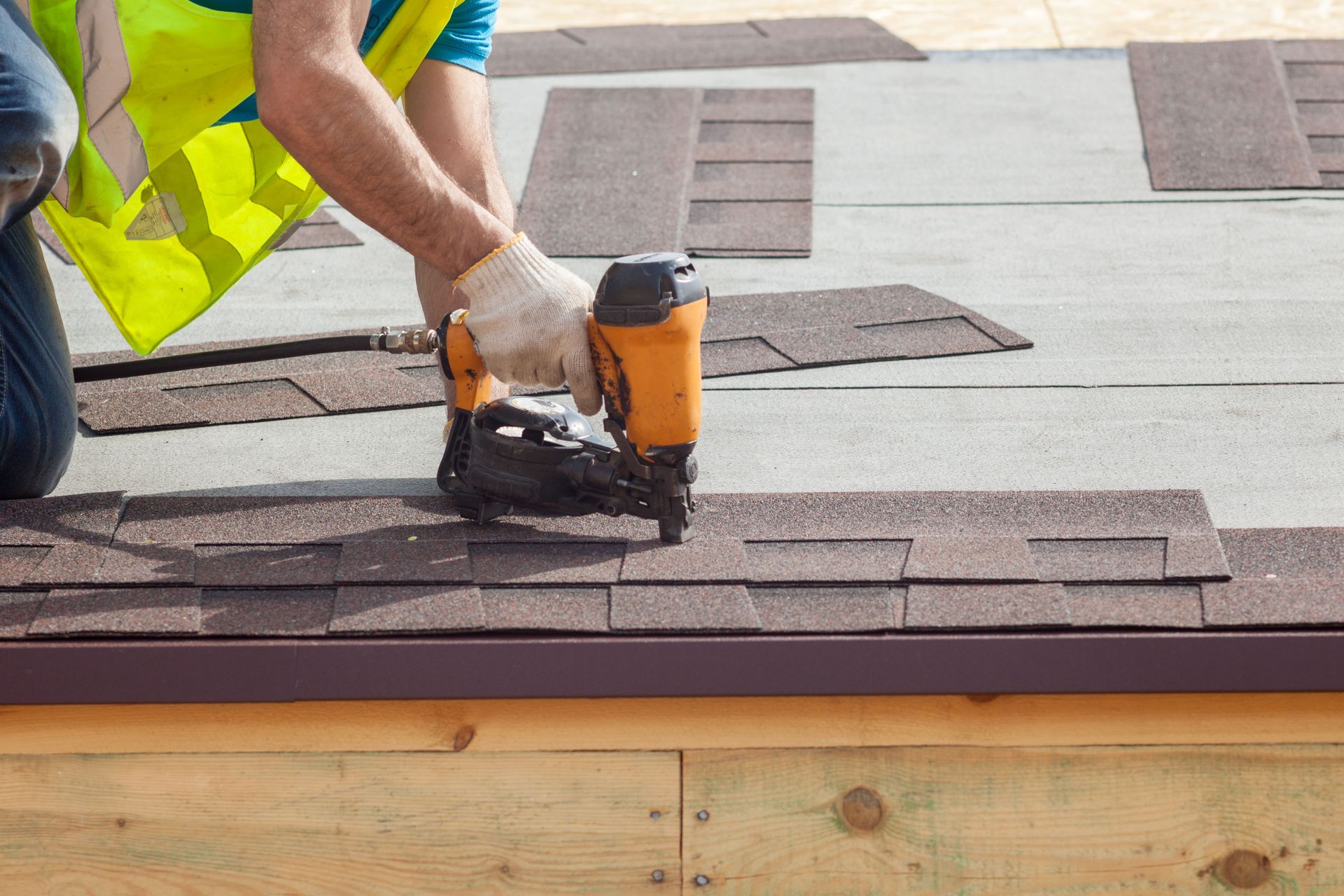
The prevalence of a specific material is also tied to the collective expertise of the local workforce. Because one material rules the neighborhood, the majority of professionals in the field have spent years honing their skills specifically for that product. This deep level of familiarity leads to higher-quality installations and fewer errors during the construction process. We believe that the proficiency of a residential roofing contractor is a vital component of a roof's success, and that proficiency is highest when working with industry-standard materials. This creates a reliable ecosystem where homeowners can easily find qualified help for installation, maintenance, or emergency repairs. Furthermore, the specialized tools and equipment used in the industry are often optimized for the most common materials. From nail guns calibrated for specific shingle weights to brackets designed for standard roof pitches, the entire infrastructure of the trade supports the dominant material. This specialization allows for faster project completion and reduced labor costs, which directly benefit the homeowner.
Examine Durability and Long-Term Performance
Durability is a cornerstone of material dominance, especially in a state known for its intense weather. A material that cannot stand up to the sun, rain, and wind of Florida will quickly fall out of favor with homeowners and professionals. The dominant materials used today have undergone decades of refinement to improve their resistance to impact, UV degradation, and moisture infiltration. We have seen how advancements in fiberglass mat technology and asphalt chemistry have extended the life of a standard roof significantly. A residential roofing contractor relies on these performance metrics to provide homeowners with a sense of security regarding their property's future.
Long-term performance also involves how a material handles the smaller, daily stresses of the environment, such as thermal expansion and moss growth. Modern shingles are treated with algae-resistant granules and designed to remain flexible through temperature swings, preventing cracks and leaks. This resilience means fewer repairs over the life of the roof, providing a better return on investment for the property owner. By choosing a material with a proven track record of durability, we are opting for a solution that has been battle-tested in our specific local conditions. This reliability is why the neighborhood standard remains unchanged year after year.
The dominance of a single material in our neighborhoods is the result of a complex interplay between history, economics, regulation, and practical performance. From the cost savings of mass production to the security provided by strict building codes, the reasons for this trend are rooted in providing the best possible outcome for the homeowner. We are committed to helping our neighbors in Hillsborough, Pinellas, Hernando, Pasco, and Citrus Counties navigate these choices with clarity and confidence. Whether you need a free roof inspection, emergency repair, or a complete replacement, choosing a residential roofing contractor who understands the neighborhood standard is the first step toward a secure home. If you are looking for professional assistance, reach out to Shingle Pro Roofing and Contracting, Inc. for a free, no-obligation same-day estimate today.